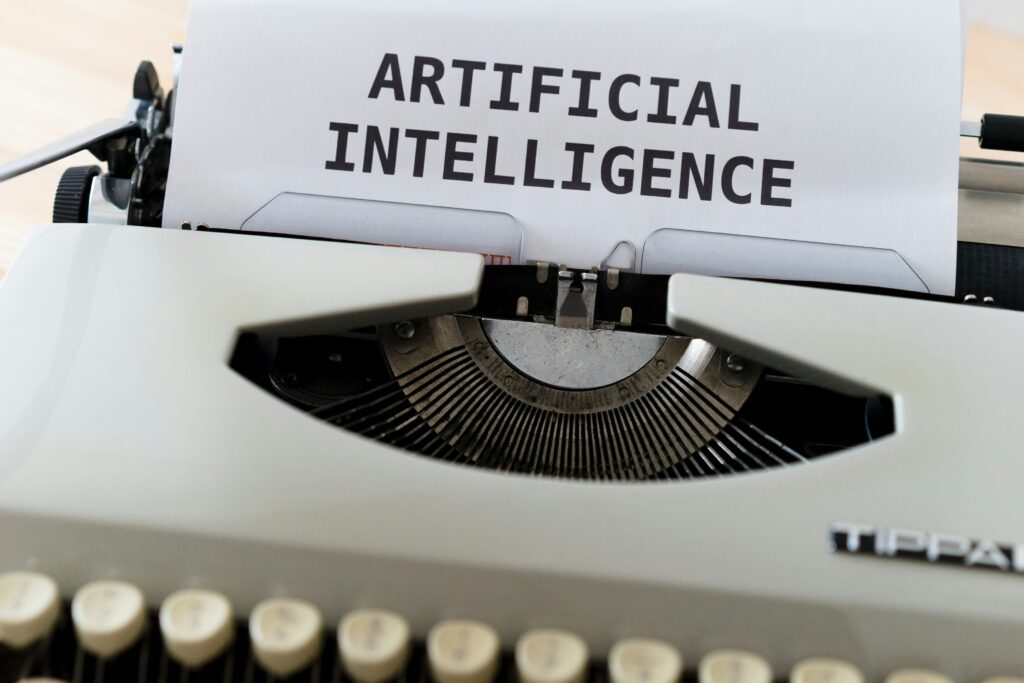
Machine Learning (ML) is one of the most important components of Artificial Intelligence (AI), enabling systems to learn from data and improve their performance without being explicitly programmed. In 2026, machine learning powers everything from recommendation engines to financial predictions and autonomous systems.
Understanding how machine learning works is essential for anyone interested in technology, business, or the future of digital innovation.
📌 Table of Contents
| Section | Topic |
|---|---|
| 1 | What Is Machine Learning? |
| 2 | How Machine Learning Works |
| 3 | Types of Machine Learning |
| 4 | Key Algorithms and Models |
| 5 | Applications of Machine Learning |
| 6 | Benefits of Machine Learning |
| 7 | Challenges and Limitations |
| 8 | Machine Learning vs AI |
| 9 | The Future of Machine Learning |
| 10 | Final Thoughts |
What Is Machine Learning?
Machine Learning is a branch of artificial intelligence that allows computers to learn from data and make decisions or predictions based on that data.
Instead of following fixed instructions, ML systems:
- Analyze patterns
- Learn from experience
- Improve over time
For example, when you watch videos on YouTube, machine learning algorithms suggest new content based on your previous behavior.
How Machine Learning Works
Machine learning follows a structured process that involves data and continuous improvement.
Step-by-Step Process
- Data Collection
Large amounts of data are gathered from different sources - Data Processing
The data is cleaned and prepared for analysis - Training the Model
The algorithm learns patterns from the data - Testing and Evaluation
The system is tested to measure accuracy - Prediction and Improvement
The model makes predictions and improves over time
📊 Machine Learning Workflow
| Step | Description |
|---|---|
| Data Collection | Gathering raw information |
| Data Cleaning | Preparing data for analysis |
| Training | Learning patterns |
| Testing | Evaluating performance |
| Deployment | Using the model in real scenarios |
Types of Machine Learning
Machine learning is divided into several types, each designed for different tasks.
Supervised Learning
In supervised learning, the model is trained using labeled data.
Examples:
- Spam email detection
- Image classification
Unsupervised Learning
The system analyzes data without predefined labels and finds hidden patterns.
Examples:
- Customer segmentation
- Market analysis
Reinforcement Learning
The model learns by interacting with an environment and receiving rewards or penalties.
Examples:
- Robotics
- Game-playing AI
Key Algorithms and Models
Machine learning uses different algorithms depending on the problem.
Common Algorithms
- Linear regression
- Decision trees
- Neural networks
- Support vector machines
Each algorithm has its strengths and is chosen based on the type of data and task.
Applications of Machine Learning
Machine learning is used in a wide range of industries.
Healthcare
- Disease prediction
- Medical imaging analysis
Finance
- Fraud detection
- Risk management
E-Commerce
- Product recommendations
- Customer behavior analysis
Transportation
- Autonomous vehicles
- Traffic prediction
Benefits of Machine Learning
Machine learning offers several advantages.
Automation
Tasks can be completed without human intervention.
Accuracy
ML models can analyze large datasets with high precision.
Scalability
Systems can handle growing amounts of data efficiently.
Personalization
Users receive tailored experiences based on their preferences.
Challenges and Limitations
Despite its benefits, machine learning has limitations.
⚠️ Key Challenges in Machine Learning
| Challenge | Description |
|---|---|
| Data Quality | Poor data leads to poor results |
| Bias | Models can reflect human bias |
| Complexity | Difficult to understand models |
| Cost | High computational requirements |
Machine Learning vs AI
Machine learning is often confused with artificial intelligence, but they are not the same.
Key Differences
| AI | Machine Learning |
|---|---|
| Broad concept | Subset of AI |
| Focus on intelligence | Focus on learning from data |
| Includes many technologies | One specific approach |
Machine learning is a crucial part of AI but not the only component.
The Future of Machine Learning
Machine learning will continue to evolve and become more advanced.
Emerging Trends
- Automated machine learning (AutoML)
- Explainable AI (XAI)
- Integration with IoT devices
- Real-time data processing
These trends will make machine learning more accessible and powerful.
Why Machine Learning Matters
Machine learning is transforming how businesses and individuals operate. It enables:
- Better decision-making
- Faster innovation
- Improved efficiency
Understanding machine learning is essential for staying competitive in the digital world.
Final Thoughts
Machine learning is at the core of modern artificial intelligence, driving innovation across industries. Its ability to learn, adapt, and improve makes it one of the most powerful technologies of our time.
As data continues to grow and technology advances, machine learning will play an even greater role in shaping the future. Those who understand its principles will be better prepared to take advantage of its opportunities.