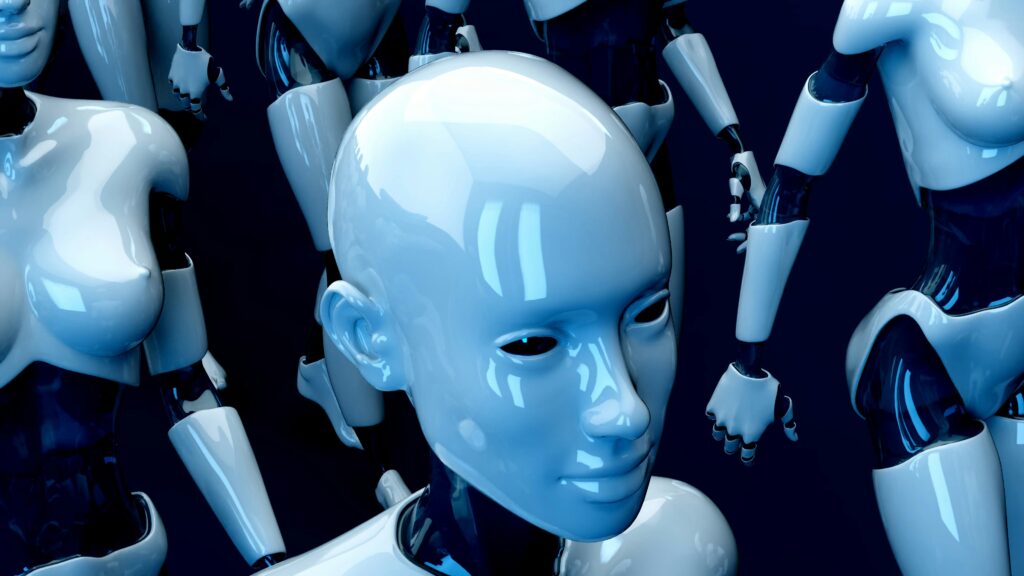
Artificial Intelligence (AI) has become an integral part of modern life, influencing how people communicate, work, shop, and make decisions. What once seemed like science fiction is now embedded in everyday routines, often without users even realizing it.
In 2026, AI is not just a technological advancement—it is a behavioral force that is reshaping how humans interact with the world around them.
📌 Table of Contents
| Section | Topic |
|---|---|
| 1 | What Is AI in Everyday Life? |
| 2 | How AI Influences Daily Decisions |
| 3 | AI in Communication and Social Media |
| 4 | AI in Shopping and Consumer Behavior |
| 5 | AI in Work and Productivity |
| 6 | Benefits of AI in Daily Life |
| 7 | Behavioral Changes Caused by AI |
| 8 | Risks and Concerns |
| 9 | The Future of AI in Daily Life |
| 10 | Final Thoughts |
What Is AI in Everyday Life?
Artificial Intelligence in everyday life refers to the integration of intelligent systems into common activities. These systems analyze data, learn patterns, and provide personalized responses or recommendations.
Examples include:
- Voice assistants like Alexa or Google Assistant
- Recommendation algorithms on Netflix or Spotify
- Navigation apps like Google Maps
- Smart home devices
AI works in the background, simplifying tasks and enhancing user experiences.
How AI Influences Daily Decisions
One of the most significant impacts of AI is its ability to influence decision-making.
Personalized Recommendations
AI analyzes user behavior to suggest:
- Products to buy
- Movies to watch
- Music to listen to
These recommendations shape preferences and consumption habits.
Smart Suggestions
AI-powered tools suggest actions such as:
- Best routes to travel
- Emails to respond to
- Content to read
Over time, users begin to rely heavily on these suggestions.
AI in Communication and Social Media
AI plays a major role in how people communicate and interact online.
Content Algorithms
Social media platforms use AI to determine what content users see. This is based on:
- Interests
- Engagement history
- Behavior patterns
Chatbots and Messaging
AI-powered chatbots provide instant responses, improving customer service and communication.
Language Processing
AI tools can translate languages, correct grammar, and even generate text, making communication faster and more accessible.
📱 AI in Communication
| Feature | Impact |
|---|---|
| Content Feeds | Personalized information |
| Chatbots | Instant responses |
| Translation Tools | Global communication |
| Text Generation | Faster content creation |
AI in Shopping and Consumer Behavior
AI has transformed how people shop and interact with brands.
Personalized Shopping Experiences
E-commerce platforms use AI to:
- Recommend products
- Offer discounts
- Predict purchasing behavior
Dynamic Pricing
Prices can change based on demand, user behavior, and market trends.
Virtual Assistants
AI assistants help users find products quickly and efficiently.
AI in Work and Productivity
AI is changing how people work and manage their time.
Automation of Tasks
Repetitive tasks are now handled by AI, allowing employees to focus on more important work.
Smart Tools
AI-powered tools help with:
- Writing and editing
- Scheduling meetings
- Managing projects
Remote Work Enhancement
AI supports remote work through collaboration tools and virtual assistants.
Benefits of AI in Daily Life
AI offers several advantages that improve quality of life.
Convenience
Tasks are completed faster and with less effort.
Personalization
Experiences are tailored to individual preferences.
Efficiency
AI reduces time spent on repetitive activities.
Accessibility
AI tools make services available to a wider audience.
Behavioral Changes Caused by AI
As AI becomes more integrated into daily life, it is influencing human behavior in significant ways.
📊 Behavioral Impact of AI
| Change | Description |
|---|---|
| Increased Dependence | Users rely more on technology |
| Shorter Attention Spans | Quick content consumption |
| Data Sharing Habits | More willingness to share personal data |
| Decision Automation | Less manual decision-making |
Risks and Concerns
Despite its benefits, AI also raises concerns.
Privacy Issues
AI systems collect large amounts of personal data, raising privacy concerns.
Over-Reliance on Technology
Excessive dependence on AI can reduce critical thinking and decision-making skills.
Algorithm Bias
AI systems may produce biased results based on the data they are trained on.
Digital Addiction
Personalized content can lead to excessive screen time and digital dependency.
The Future of AI in Daily Life
AI will continue to evolve and become even more integrated into everyday activities.
Emerging Trends
- Smart homes with fully automated systems
- AI-driven healthcare monitoring
- Advanced virtual assistants
- Personalized education platforms
These developments will further transform how people live and interact with technology.
Why Understanding AI in Daily Life Matters
Understanding how AI influences behavior is essential for making informed decisions. It helps individuals:
- Use technology responsibly
- Protect personal data
- Maintain balance between digital and real life
Awareness is key to benefiting from AI without being negatively impacted by it.
Final Thoughts
Artificial Intelligence is no longer a distant concept—it is a powerful force shaping everyday life. From the way people communicate to how they shop and work, AI is influencing behavior in profound ways.
While it offers convenience and efficiency, it also requires careful consideration of its impact on privacy, decision-making, and human interaction.
As AI continues to evolve, finding the right balance between technology and human control will be essential for a healthy and productive future.