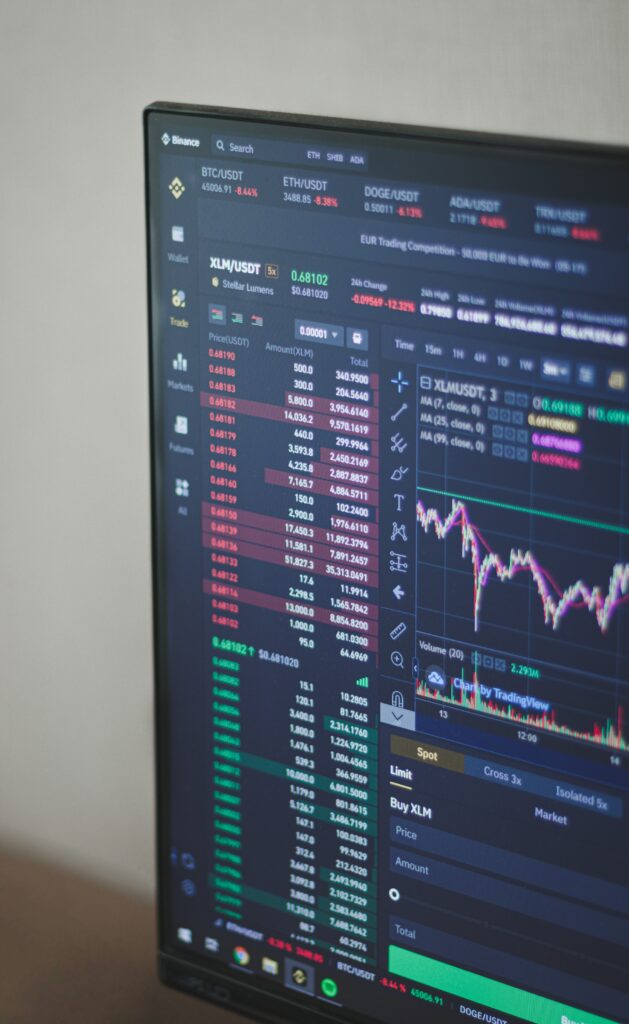
The global financial landscape has undergone a massive transformation in recent years, and at the center of this evolution lies the world of cryptocurrencies and daily financial markets. The combination of traditional markets and digital assets has created a new environment where investors must stay informed in real time.
The concept of Crypto & Daily Market reflects the fast-paced nature of modern finance, where market conditions can change within seconds, influenced by global events, technological developments, and investor sentiment.
What Is the Crypto & Daily Market?
The term Crypto & Daily Market refers to the constant movement and interaction between cryptocurrency markets and traditional financial markets such as stocks, commodities, and forex.
Unlike traditional markets that operate during specific hours, cryptocurrency markets run 24/7, making them one of the most dynamic and unpredictable financial environments in the world.
Key components include:
- Cryptocurrency trading (Bitcoin, Ethereum, altcoins)
- Stock market performance
- Forex and commodities
- Economic news and global events
Understanding how these elements interact is crucial for making informed financial decisions.
The Rise of Cryptocurrencies
Cryptocurrencies have evolved from a niche concept into a major asset class. Bitcoin, the first cryptocurrency, introduced the idea of decentralized money, and since then, thousands of digital assets have emerged.
Why Cryptocurrencies Are Popular
- Decentralization: No central authority controls transactions
- Accessibility: Anyone with internet access can participate
- Transparency: Blockchain technology ensures visibility
- High potential returns: Attractive for investors seeking growth
However, with high rewards come high risks, making it essential to understand market behavior.
How Daily Market Movements Affect Crypto
Cryptocurrency markets are highly sensitive to daily economic events. Factors such as interest rates, inflation data, and geopolitical tensions can influence both traditional and digital markets.
Key Influencers
- Federal Reserve decisions
- Global economic reports
- Stock market performance
- Investor sentiment and media coverage
For example, when stock markets decline, investors may either move funds into crypto as an alternative or withdraw completely due to risk aversion.
Volatility: The Core of Crypto Markets
One of the defining characteristics of cryptocurrency markets is volatility. Prices can rise or fall dramatically within a short period.
Why Crypto Is So Volatile
- Low regulation compared to traditional markets
- High speculation and trading volume
- Market sentiment driven by news and social media
- Limited liquidity in some assets
While volatility creates opportunities for profit, it also increases the risk of losses.
Trading Strategies in the Crypto Market
To navigate the crypto market effectively, investors use various trading strategies.
Day Trading
Day trading involves buying and selling assets within the same day to take advantage of short-term price movements.
Swing Trading
Swing traders hold positions for several days or weeks, aiming to capture medium-term trends.
Long-Term Investing (HODLing)
Some investors choose to hold cryptocurrencies for the long term, believing in their future value.
Each strategy requires a different level of knowledge, risk tolerance, and time commitment.
The Role of Technology in Crypto Markets
Technology plays a crucial role in how crypto markets operate.
Trading Platforms
Modern platforms provide:
- Real-time price tracking
- Advanced charting tools
- Automated trading options
Artificial Intelligence
AI is increasingly used to:
- Analyze market trends
- Predict price movements
- Automate trading decisions
Blockchain Technology
Blockchain ensures secure and transparent transactions, forming the backbone of the crypto ecosystem.
Risks and Challenges in Crypto Trading
Despite its potential, the crypto market comes with significant risks.
Market Manipulation
Due to lower regulation, some markets are susceptible to manipulation by large investors.
Security Threats
Cyberattacks and hacking incidents can result in financial losses.
Regulatory Uncertainty
Governments are still developing regulations for cryptocurrencies, which can impact market stability.
Emotional Decision-Making
Fear and greed often drive investor behavior, leading to poor decisions.
Opportunities in the Crypto & Daily Market
While risky, the crypto market also offers unique opportunities.
High Growth Potential
Early investors in cryptocurrencies have seen significant returns.
Diversification
Crypto assets provide an alternative to traditional investments.
Global Accessibility
Anyone can participate in the crypto market, regardless of location.
Innovation
New technologies such as decentralized finance (DeFi) and NFTs continue to create new opportunities.
How to Stay Updated Daily
Success in the crypto market requires staying informed.
Key Sources of Information
- Financial news websites
- Crypto market platforms
- Social media and expert analysis
- Economic calendars
Monitoring daily updates helps investors react quickly to market changes.
The Future of Crypto and Financial Markets
The integration of cryptocurrencies with traditional financial systems is expected to grow.
Emerging Trends
- Institutional adoption of crypto
- Development of Central Bank Digital Currencies (CBDCs)
- Expansion of decentralized finance (DeFi)
- Increased regulation for market stability
These trends will shape the future of global finance.
Why Understanding the Daily Market Matters
In a fast-moving financial environment, knowledge is power. Understanding daily market trends allows investors to:
- Identify opportunities
- Manage risks effectively
- Make informed decisions
Whether you are a beginner or an experienced trader, staying informed is essential.
Final Thoughts
The Crypto & Daily Market represents one of the most exciting and challenging areas of modern finance. Its constant evolution, driven by technology and global events, creates both opportunities and risks.
Success in this space requires a combination of knowledge, strategy, and discipline. By staying informed and adapting to market changes, investors can navigate this dynamic environment and potentially achieve significant financial growth.