📰 How Donald Trump Shook Global Markets: Gold Surges and Financial Turmoil After the U.S.-Iran Ceasefire Deal
📌 Table of Contents
- Introduction: Markets React to Geopolitical Shock
- Donald Trump and the Ceasefire Announcement
- Why Gold Prices Spiked Overnight
- Oil Markets and the Strait of Hormuz Factor
- Investor Panic and Safe-Haven Assets
- Contradictions in the Agreement Fuel Uncertainty
- Lebanon Conflict Adds Market Pressure
- Short-Term Gains vs Long-Term Risk
- What Investors Are Watching Now
- Final Outlook: Stability or Another Shockwave?
🌍 1. Introduction: Markets React to Geopolitical Shock
Global financial markets were immediately shaken following the announcement of a ceasefire agreement between the United States and Iran. What initially appeared to be a step toward stability quickly turned into a source of uncertainty, triggering sharp movements across key assets such as gold and oil.
Investors reacted not just to the agreement itself, but to the confusion and contradictions surrounding it. As a result, volatility surged, and traditional safe-haven assets experienced renewed demand.
🇺🇸 2. Donald Trump and the Ceasefire Announcement
At the center of this financial reaction was Donald Trump, presidente de Estados Unidos, whose announcement of a temporary ceasefire was framed as a diplomatic success.
Trump stated that the United States would suspend military operations against Iran for two weeks, allowing negotiations to resume. He described the move as a strategic victory and suggested that it could lead to long-term peace in the Middle East.
However, markets interpreted the situation differently. Instead of signaling stability, the announcement introduced new layers of uncertainty, particularly due to conflicting interpretations of the agreement.
🪙 3. Why Gold Prices Spiked Overnight
One of the most immediate reactions was seen in the gold market.
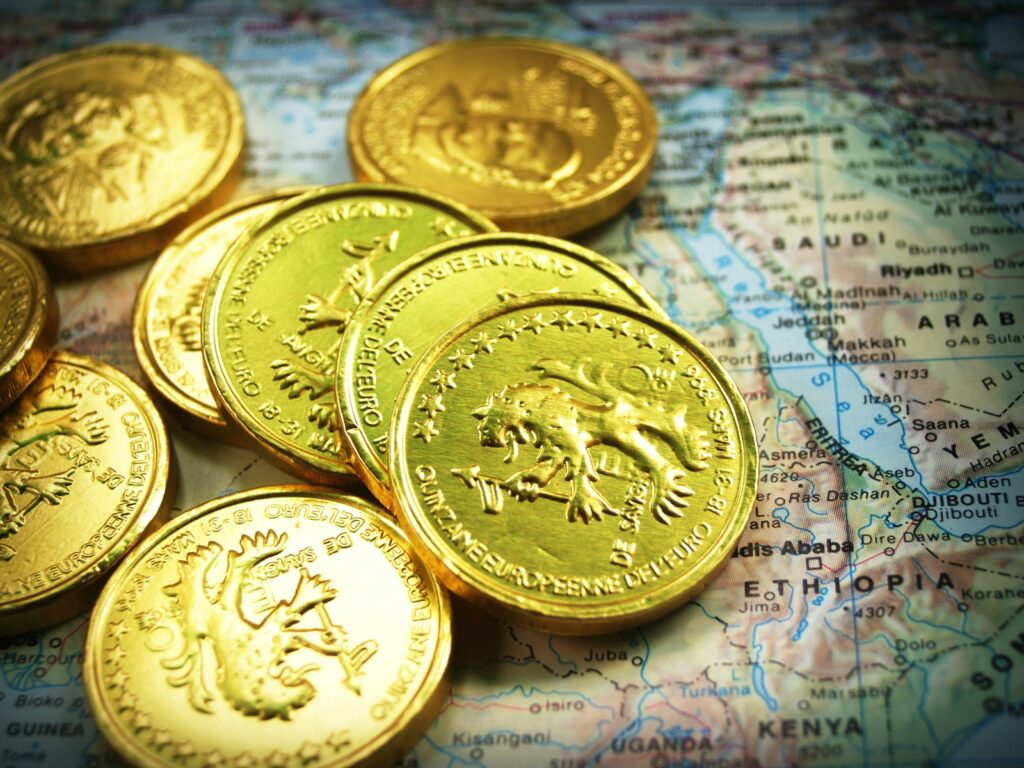
Gold, traditionally considered a safe-haven asset during times of uncertainty, experienced a sharp increase in demand. Investors moved quickly to protect their capital as geopolitical tensions remained unresolved.
The surge in gold prices reflects a classic pattern: when confidence in political stability declines, investors shift toward assets perceived as secure. The ambiguity surrounding the ceasefire—especially regarding its terms and enforcement—created the perfect conditions for this movement.
🛢️ 4. Oil Markets and the Strait of Hormuz Factor
Oil markets also experienced significant fluctuations following the announcement.
The Strait of Hormuz plays a critical role in global energy supply, and any disruption—or uncertainty—related to its operation can have immediate consequences for oil prices.
Initially, the ceasefire announcement led to a drop in oil prices, as markets anticipated reduced risk in the region. However, conflicting reports about whether the strait was actually reopening quickly reversed this trend.
Iranian warnings to ships in the Persian Gulf suggested that the route might remain closed, reintroducing concerns about supply disruptions and contributing to market instability.
📉 5. Investor Panic and Safe-Haven Assets
Beyond gold, other safe-haven assets also saw increased interest.
Investors tend to react quickly to geopolitical uncertainty, and this situation was no exception. The lack of clarity surrounding the agreement led to cautious behavior across global markets.
Stock markets showed signs of hesitation, while capital flowed into assets perceived as more stable. This shift highlights the broader impact of political uncertainty on investor confidence.
📄 6. Contradictions in the Agreement Fuel Uncertainty
A major factor driving market volatility is the lack of clarity in the ceasefire terms.
Different versions of the so-called “10-point plan” have emerged, with Iran and the United States presenting conflicting interpretations. Issues such as sanctions, nuclear activity, and regional conflicts remain unresolved.
For markets, this inconsistency is a red flag. Investors rely on clear and predictable conditions, and when agreements appear ambiguous, confidence weakens.
⚠️ 7. Lebanon Conflict Adds Market Pressure
The situation became even more complex with the escalation of violence in Lebanon.
Israel’s military actions in the region, combined with Iran’s warnings of retaliation, added another layer of risk. This development reinforced concerns that the ceasefire might not fully apply across the region.
From a financial perspective, ongoing conflict increases uncertainty, which in turn drives volatility in both commodity and equity markets.
⏳ 8. Short-Term Gains vs Long-Term Risk
While the initial drop in oil prices offered some short-term relief, particularly for consumers, the overall outlook remains uncertain.
For Donald Trump presidente de Estados Unidos, the temporary stabilization of fuel prices may provide political benefits. However, if the ceasefire fails, markets could quickly reverse course.
The current situation highlights the difference between short-term market reactions and long-term economic stability.
👀 9. What Investors Are Watching Now
Investors are closely monitoring several key factors:
- Whether the Strait of Hormuz fully reopens
- The outcome of upcoming negotiations between the U.S. and Iran
- Continued military activity in Lebanon and surrounding regions
- Clarification of the ceasefire terms
Each of these elements will play a crucial role in determining the direction of global markets in the coming weeks.
🔎 10. Final Outlook: Stability or Another Shockwave?
The ceasefire agreement, while initially presented as a step toward peace, has instead introduced a new phase of uncertainty.
Markets have responded accordingly, with gold prices rising, oil prices fluctuating, and investor confidence remaining fragile.
Ultimately, the situation underscores a key reality: geopolitical events continue to have a powerful and immediate impact on global financial systems.
Whether this agreement leads to lasting stability or triggers further disruptions will depend on how these unresolved tensions evolve.
For now, investors remain cautious, watching closely as events unfold in one of the world’s most strategically important regions.