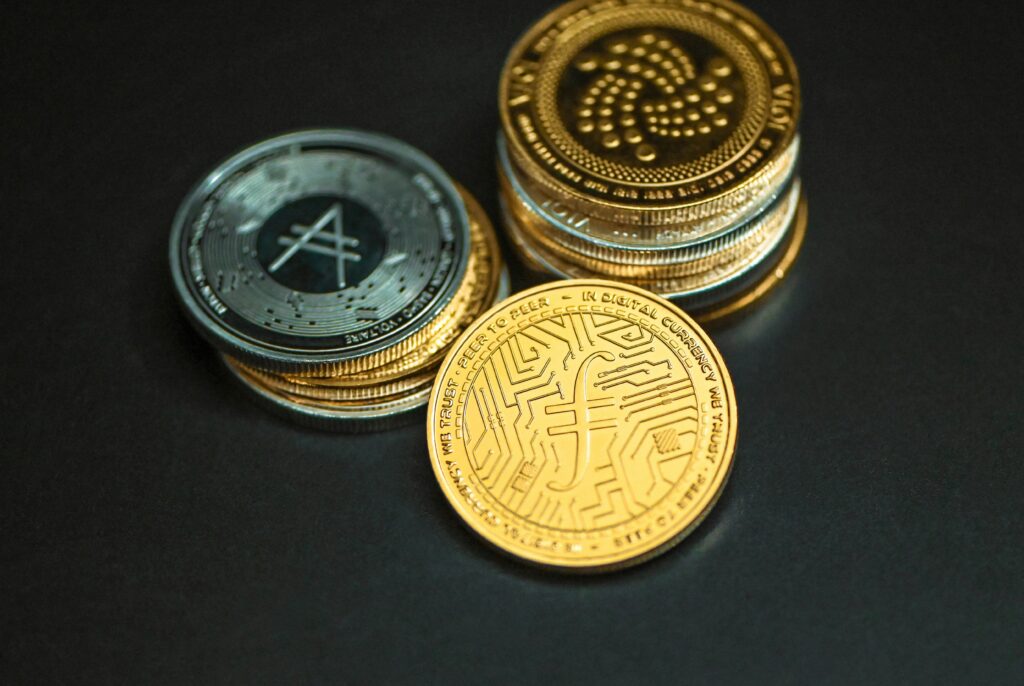
The financial world is undergoing a profound transformation. In 2026, finance is no longer limited to traditional banking systems or stock markets—it is a dynamic, technology-driven ecosystem that connects global economies, digital assets, and real-time data.
From artificial intelligence to decentralized finance, the trends shaping the global economy are redefining how money is created, managed, and invested. Understanding these changes is essential for individuals, businesses, and investors navigating the modern financial landscape.
📌 Table of Contents
| Section | Topic |
|---|---|
| 1 | What Defines Finance in 2026? |
| 2 | Key Trends Shaping Global Finance |
| 3 | Digital Transformation in Finance |
| 4 | The Role of Artificial Intelligence |
| 5 | The Rise of Digital Assets |
| 6 | Global Financial Markets |
| 7 | Benefits of Modern Financial Systems |
| 8 | Challenges and Risks |
| 9 | The Future of Finance |
| 10 | Final Thoughts |
What Defines Finance in 2026?
Finance in 2026 is defined by speed, accessibility, and technological integration. Traditional systems are being replaced or enhanced by digital platforms that offer faster, more efficient services.
Key characteristics include:
- Real-time transactions
- Global connectivity
- Data-driven decision-making
- Integration of digital assets
This new financial environment allows individuals and businesses to access services that were once limited to large institutions.
Key Trends Shaping Global Finance
Several major trends are influencing the global financial system.
Digitalization
Financial services are increasingly moving online, making them more accessible and efficient.
Decentralization
Blockchain technology is enabling decentralized financial systems that operate without intermediaries.
Automation
AI and machine learning are automating processes such as trading, risk analysis, and customer service.
Financial Inclusion
Digital platforms are providing access to financial services for underserved populations.
📊 Key Financial Trends in 2026
| Trend | Impact |
|---|---|
| Digitalization | Faster services |
| Decentralization | Reduced intermediaries |
| Automation | Increased efficiency |
| Inclusion | Broader access to finance |
Digital Transformation in Finance
The financial industry is undergoing rapid digital transformation.
Online Banking
Banks are offering fully digital services, eliminating the need for physical branches.
Mobile Payments
Digital wallets and contactless payments are becoming the standard.
FinTech Growth
FinTech companies are introducing innovative solutions that challenge traditional banking systems.
The Role of Artificial Intelligence
Artificial Intelligence is playing a central role in modern finance.
Data Analysis
AI processes large datasets to identify patterns and trends.
Fraud Detection
AI systems detect suspicious activities in real time.
Investment Strategies
AI-powered tools help investors make informed decisions.
📈 AI in Finance
| Application | Benefit |
|---|---|
| Fraud Detection | Increased security |
| Data Analysis | Better insights |
| Trading | Faster decisions |
| Customer Service | Automation |
The Rise of Digital Assets
Digital assets are becoming a major part of the financial system.
Cryptocurrencies
Assets like Bitcoin and Ethereum are widely used for transactions and investments.
Tokenization
Real-world assets are being converted into digital tokens.
Central Bank Digital Currencies (CBDCs)
Governments are exploring digital versions of national currencies.
Global Financial Markets
Global markets are more interconnected than ever.
Real-Time Trading
Markets operate continuously, with instant transactions.
Cross-Border Investments
Investors can access markets worldwide.
Market Volatility
Global events can impact markets instantly.
📊 Global Market Characteristics
| Feature | Description |
|---|---|
| Speed | Real-time transactions |
| Access | Global participation |
| Volatility | Rapid changes |
| Technology | AI-driven systems |
Benefits of Modern Financial Systems
Modern finance offers several advantages.
Accessibility
More people can access financial services.
Efficiency
Transactions are faster and more reliable.
Transparency
Digital systems provide clear records.
Innovation
New technologies create opportunities for growth.
Challenges and Risks
Despite its benefits, modern finance also presents challenges.
⚠️ Key Financial Risks
| Risk | Description |
|---|---|
| Cybersecurity | Risk of digital attacks |
| Regulation | Legal uncertainty |
| Volatility | Market instability |
| Data Privacy | Sensitive information risks |
The Future of Finance
The financial system will continue to evolve.
Emerging Trends
- Integration of AI and blockchain
- Expansion of decentralized finance (DeFi)
- Growth of digital currencies
- Increased automation
The future of finance will be more digital, interconnected, and intelligent.
Why Understanding Finance in 2026 Matters
Understanding modern finance helps individuals and businesses:
- Make informed decisions
- Identify investment opportunities
- Manage risks effectively
Being informed is essential in a rapidly changing financial environment.
Final Thoughts
Finance in 2026 is defined by innovation, speed, and global connectivity. The integration of technology is transforming how money is managed and how financial systems operate.
As these trends continue to evolve, those who adapt and understand the changes will be better positioned to succeed in the modern economy. The future of finance is digital, and it is already shaping the world today.