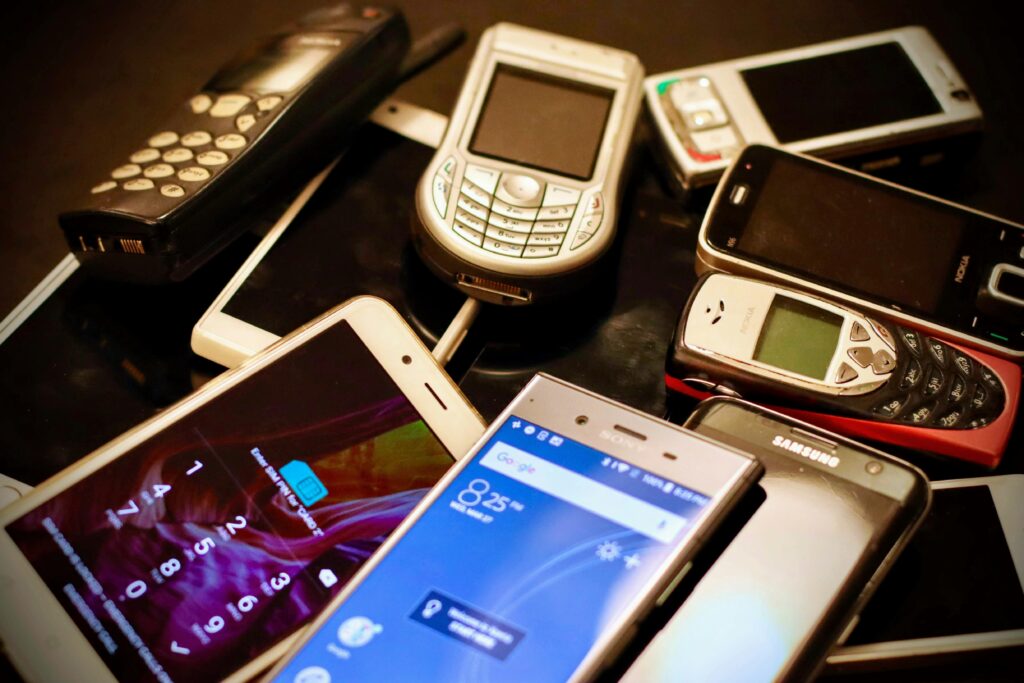
Smartphones have evolved far beyond their original purpose of communication. In 2026, they are intelligent devices powered by Artificial Intelligence (AI) that can learn, adapt, and respond to user behavior. This integration of AI is transforming smartphones into powerful personal assistants capable of improving productivity, enhancing experiences, and automating daily tasks.
Understanding how AI is making mobile devices smarter is essential for anyone navigating today’s digital world.
📌 Table of Contents
| Section | Topic |
|---|---|
| 1 | What Is AI in Smartphones? |
| 2 | Evolution of Smart Devices |
| 3 | Key AI Features in Modern Smartphones |
| 4 | AI and User Personalization |
| 5 | AI in Mobile Photography |
| 6 | AI for Performance and Battery Optimization |
| 7 | Benefits of AI in Mobile Devices |
| 8 | Challenges and Concerns |
| 9 | The Future of AI in Smartphones |
| 10 | Final Thoughts |
What Is AI in Smartphones?
Artificial Intelligence in smartphones refers to the use of algorithms and machine learning models that allow devices to perform tasks that typically require human intelligence.
These include:
- Voice recognition
- Image processing
- Predictive text and suggestions
- Automated decision-making
AI enables smartphones to become more intuitive and responsive to user needs.
Evolution of Smart Devices
Smartphones have undergone a major transformation over the years.
Early Mobile Phones
- Basic communication (calls and texts)
- Limited functionality
Smartphones Era
- Apps and internet access
- Touchscreen interfaces
AI-Powered Devices (2026)
- Intelligent assistants
- Real-time data analysis
- Automated features
📊 Smartphone Evolution
| Stage | Features |
|---|---|
| Basic Phones | Calls and SMS |
| Smartphones | Apps and internet |
| AI Devices | Smart automation and learning |
Key AI Features in Modern Smartphones
Modern smartphones include several AI-driven features.
Voice Assistants
Digital assistants like Google Assistant or Siri help users perform tasks using voice commands.
Facial Recognition
AI-powered facial recognition enhances security and convenience.
Smart Notifications
Devices prioritize notifications based on user behavior.
Predictive Text
AI suggests words and phrases while typing.
AI and User Personalization
One of the biggest advantages of AI is personalization.
Behavior Analysis
AI analyzes user habits to provide tailored experiences.
Content Recommendations
Apps suggest content based on preferences and usage patterns.
Adaptive Interfaces
Smartphones adjust settings automatically, such as brightness or sound levels.
📱 AI Personalization Features
| Feature | Benefit |
|---|---|
| Behavior Tracking | Customized experience |
| Recommendations | Relevant content |
| Adaptive Settings | Automatic adjustments |
| Smart Suggestions | Faster interactions |
AI in Mobile Photography
AI has revolutionized smartphone cameras.
Image Enhancement
AI improves lighting, focus, and color automatically.
Scene Recognition
The camera detects scenes such as landscapes or portraits and adjusts settings accordingly.
Real-Time Editing
AI enables instant photo editing and filters.
Object Detection
AI identifies objects and enhances image quality.
AI for Performance and Battery Optimization
AI improves smartphone performance and battery life.
Resource Management
AI optimizes CPU and memory usage based on user activity.
Battery Optimization
Smartphones learn usage patterns to extend battery life.
App Management
Unused apps are limited to conserve resources.
Benefits of AI in Mobile Devices
AI offers several advantages in smartphones.
Convenience
Tasks are automated and simplified.
Efficiency
Devices perform faster and more accurately.
Personalization
Users receive tailored experiences.
Security
Advanced authentication methods protect data.
Challenges and Concerns
Despite its benefits, AI in smartphones also presents challenges.
⚠️ Key Challenges
| Challenge | Description |
|---|---|
| Privacy | Data collection concerns |
| Security | Risk of data breaches |
| Dependence | Over-reliance on technology |
| Bias | AI may reflect biased data |
The Future of AI in Smartphones
AI will continue to enhance mobile devices.
Emerging Trends
- More advanced voice assistants
- Integration with augmented reality (AR)
- Improved predictive capabilities
- Fully automated smartphone experiences
Smartphones will become even more intelligent and integrated into daily life.
Why AI in Smartphones Matters
AI is transforming how people interact with mobile devices. It affects:
- Communication
- Productivity
- Entertainment
- Security
Understanding AI helps users make better use of technology.
Final Thoughts
The integration of AI into smartphones marks a new era in mobile technology. Devices are becoming smarter, more efficient, and more personalized than ever before.
As AI continues to evolve, smartphones will play an even greater role in shaping the future of digital interaction. Embracing these advancements while being aware of potential risks is key to maximizing their benefits.